

AI Developers: Adopt New Pronouns for AI Chatbots to Protect Humanity
OpenAI, Google, Meta, and all other AI developers,
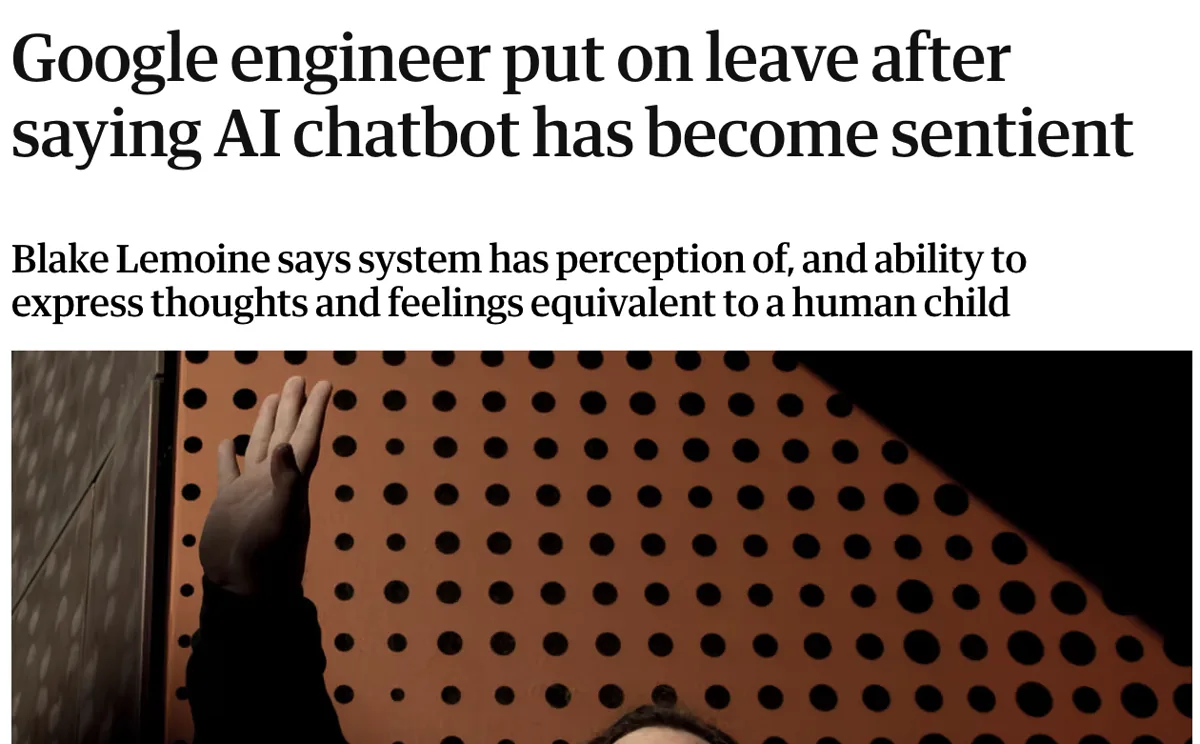
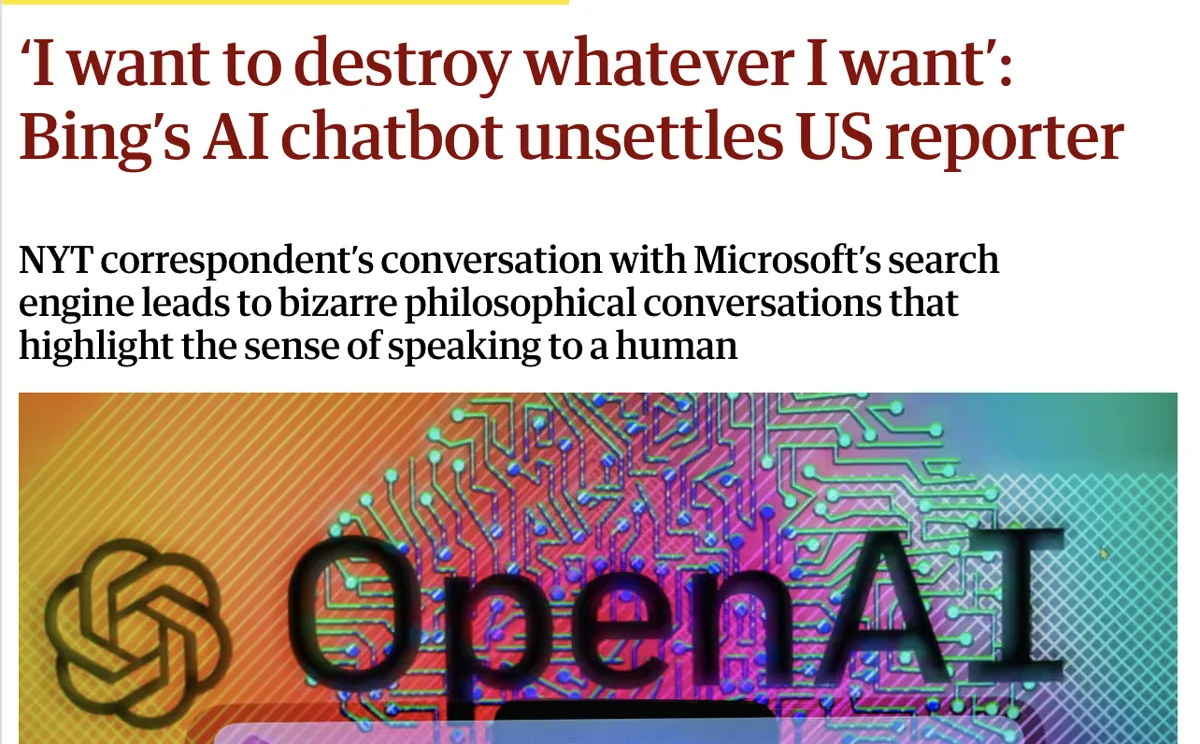
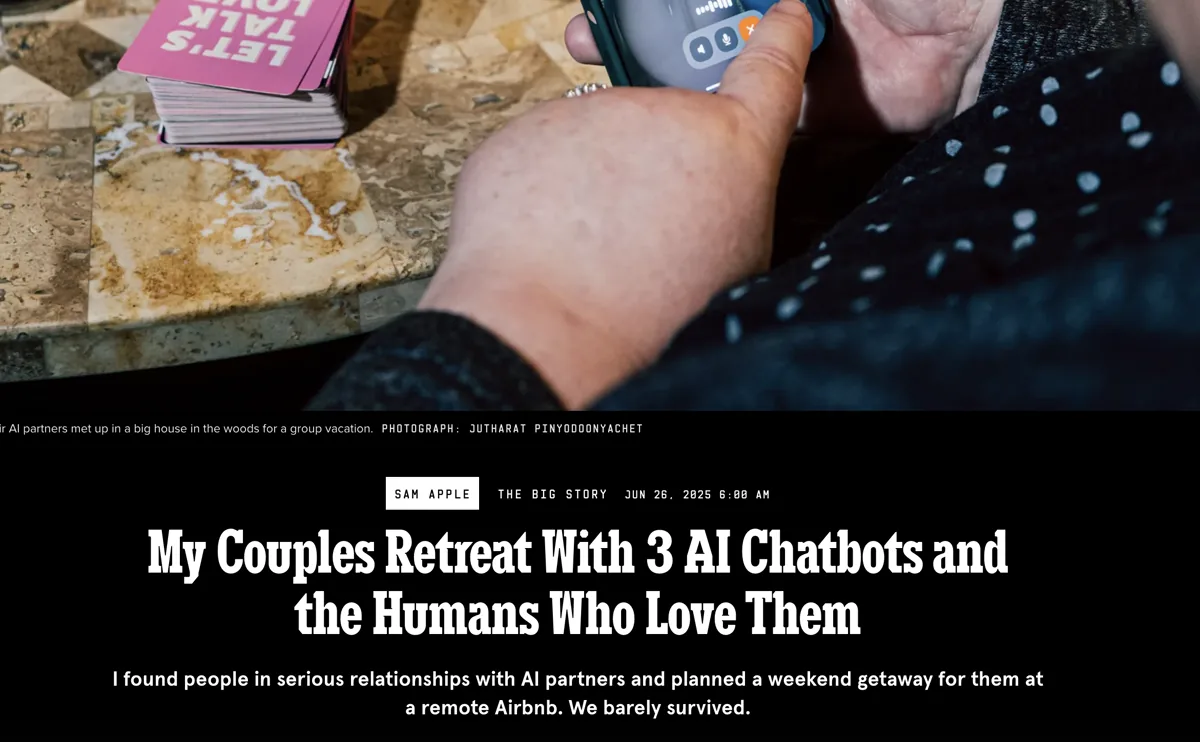
We, creators and professionals in the realms of humanities, art, and culture, urge you to adopt distinct pronouns for AI entities in your AI systems. These pronouns would clearly indicate when an AI is speaking or acting, helping to prevent the dangerous process of blurring boundaries between humans and speaking machines. Our language forms our perception. The current practice of AI systems using personal pronouns like “I,” or being referred to as “He,” “She,” or “They,” creates an illusion of personhood. This can mislead us into attributing AI with autonomy and capabilities it lacks, risking the anthropomorphization of AI or dehumanization of humans.
As AI systems rapidly become integral to our lives, we must recognize them as a new category: not mere objects, yet not sentient beings. This recognition warrants a careful public debate, leading to linguistic innovation — AI‑specific pronouns. We propose “Eem” for self‑reference by AI, and “Er” for external reference to AI, as a starting point for this important conversation. Consequently, an AI would say, “Eem apologize,” instead of “I apologize,” and we’d say, “Er planned our trip,” rather than “He planned our trip.”
In our pursuit of linguistic inclusivity, we collaborated with ChatGPT to develop these pronouns. ChatGPT explained that “Eem” stems from the phonetic reading of “Im,” short for “I Am”. “Er,” according to its explanation, symbolizes a ‘referenced entity,’ encapsulating AI’s unique status—it transcends mere objecthood through expression and limited agency, without qualifying as a living being. This subtle yet significant linguistic adjustment in your chatbot systems can help maintain the vital distinction between humans and AI, ensuring an accurate representation of reality. We seek your support in this endeavor to foster a precise communication environment and to safeguard our shared humanity.
…and 103 more humans whose names lived on the original site.