
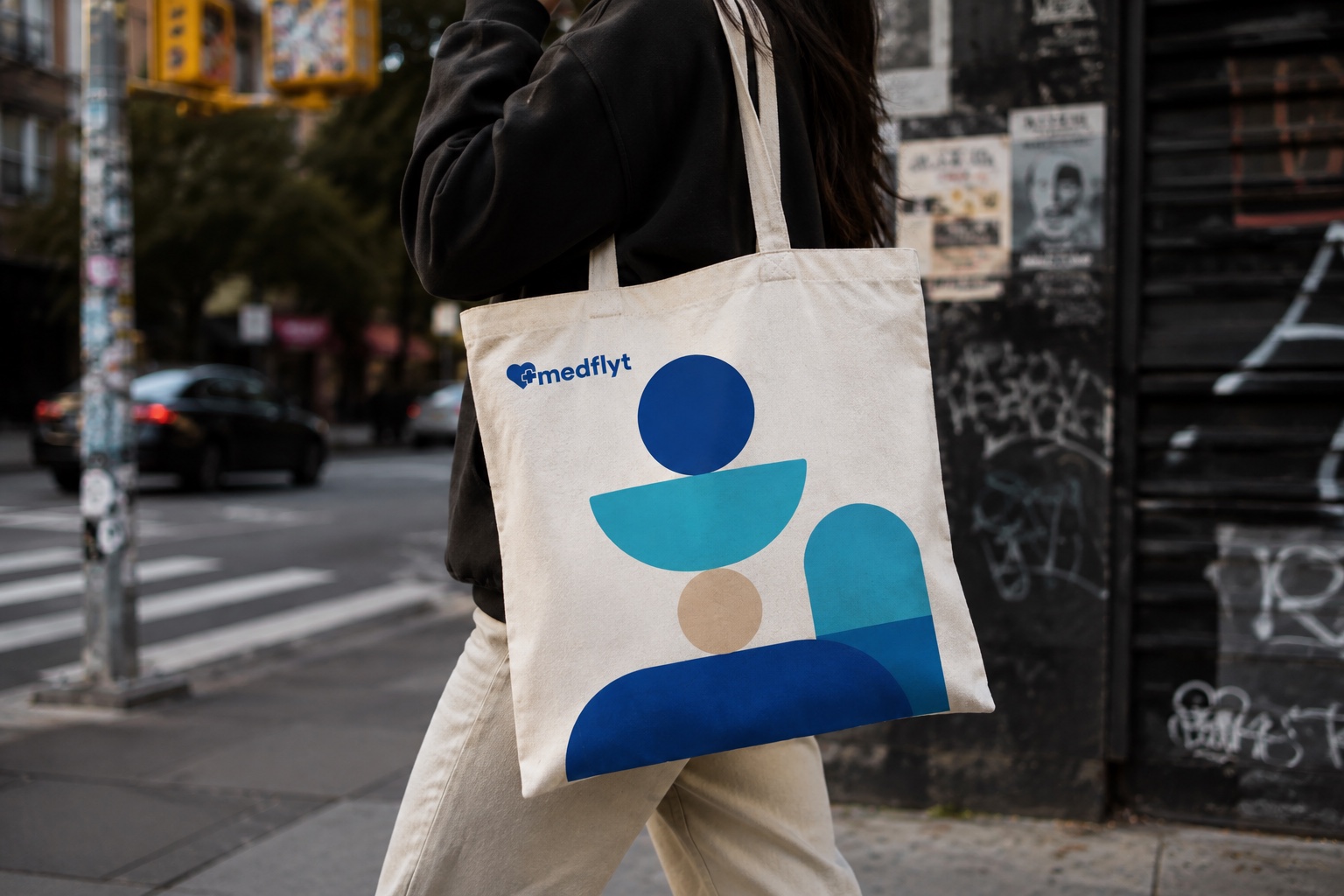
Medflyt tote bag on a city street — the brand's caregiver-and-patient shapes in blues and sand on natural canvas

Home care had a caregiver problem.

Caregiver turnover was approaching 70%. Agencies were constantly recruiting, training and replacing the people delivering the care.

The industry was focused on managing the workforce. We saw an opportunity to focus on the people inside it.

So we put caregivers at the center.
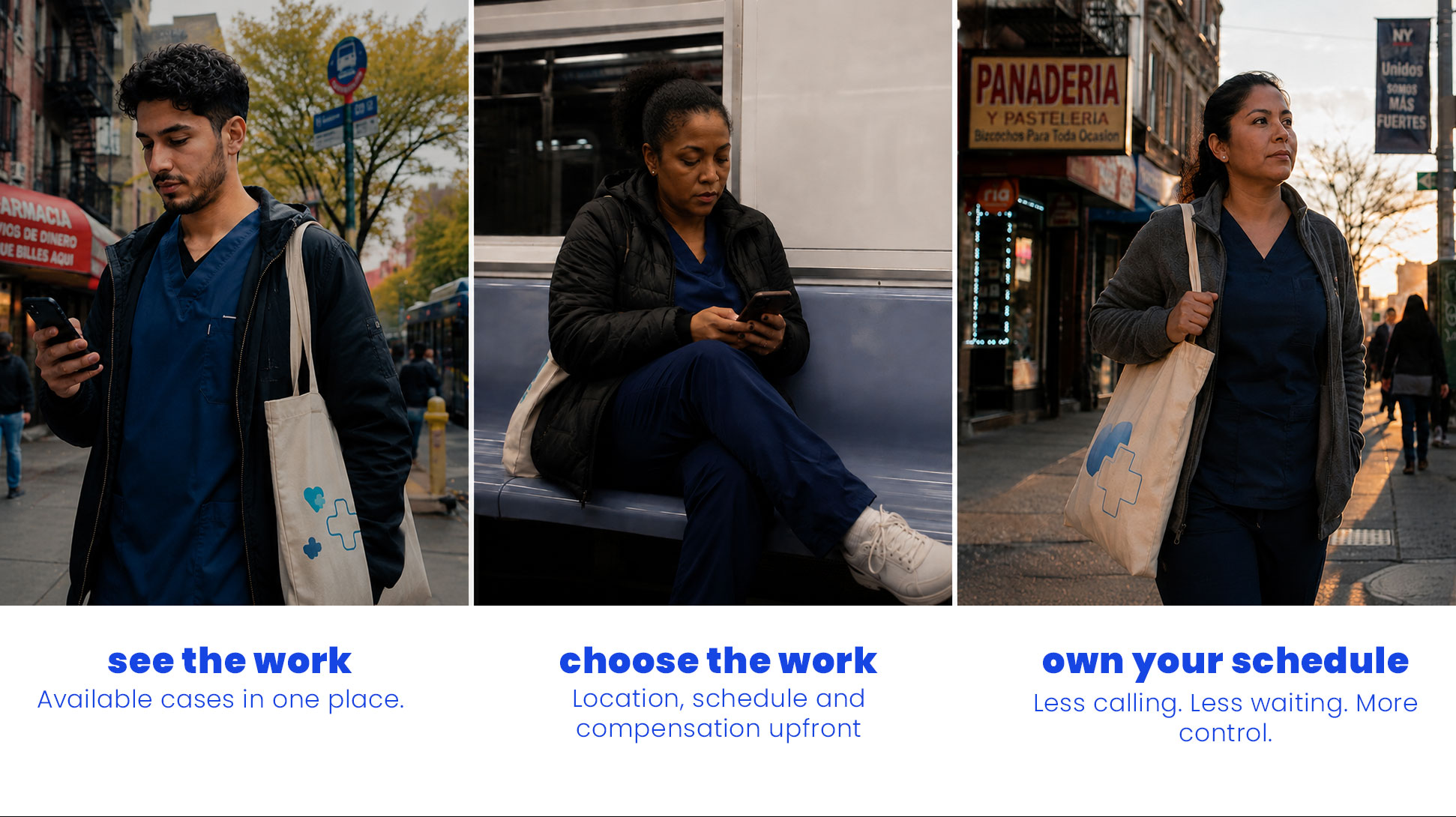
Three caregivers in navy scrubs with Medflyt tote bags around New York — checking cases at a bus stop (see the work), reviewing a shift on the subway (choose the work), and walking home at sunset (own your schedule)

Give caregivers more control over their work.

We redesigned the caregiver experience around something simple: caregivers should be able to see opportunities and make decisions for themselves.

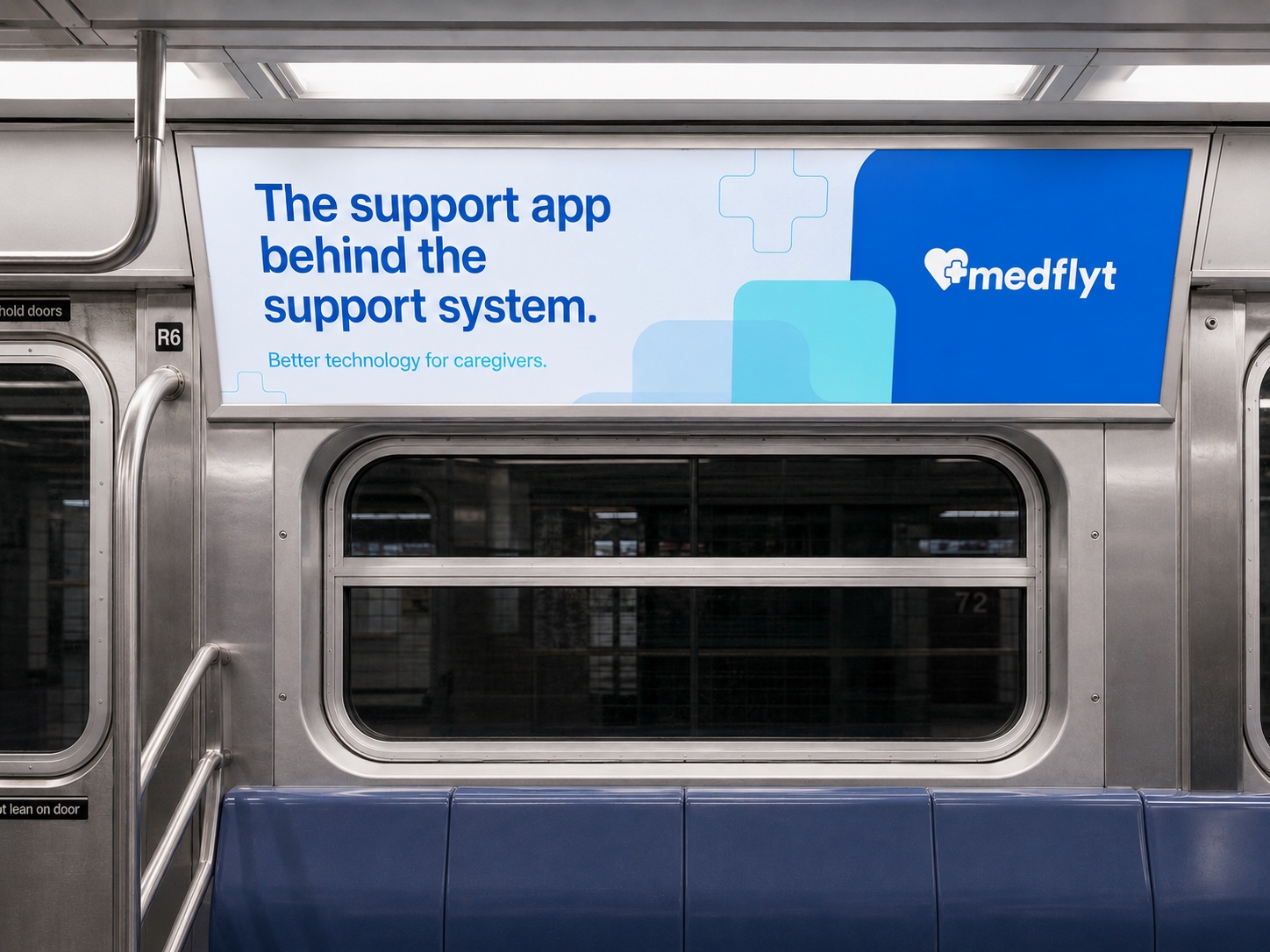
Medflyt subway-car ad — The support app behind the support system. Better technology for caregivers.

Design for the person using it.

The caregivers using Medflyt came from different countries, spoke different languages and had very different levels of comfort with technology.

The product had to feel obvious without explanation.

We simplified flows, reduced friction and designed a mobile experience caregivers could use quickly — wherever their day happened to take them.

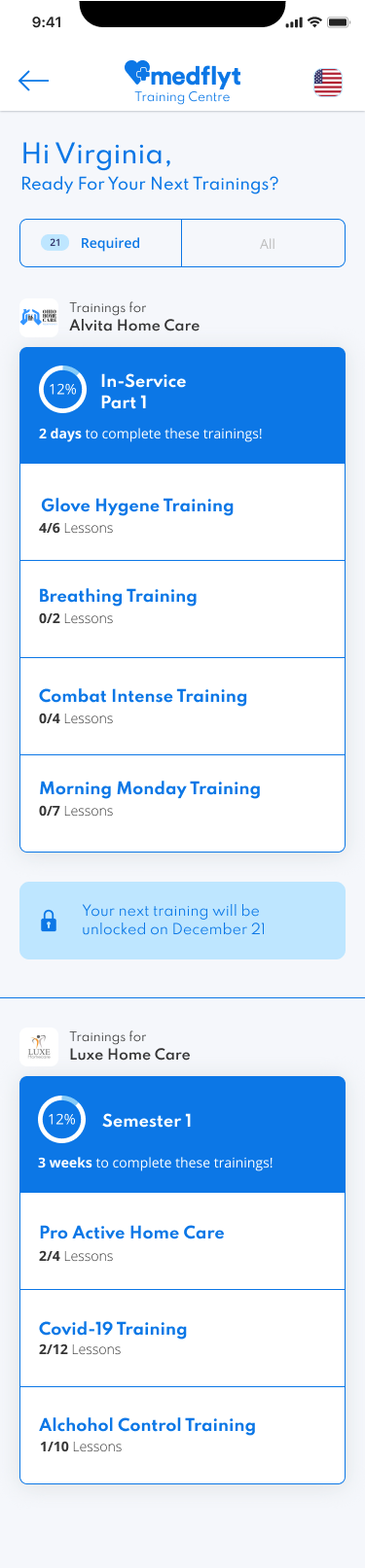
Medflyt Training Centre — required trainings for two agencies with progress and deadlines
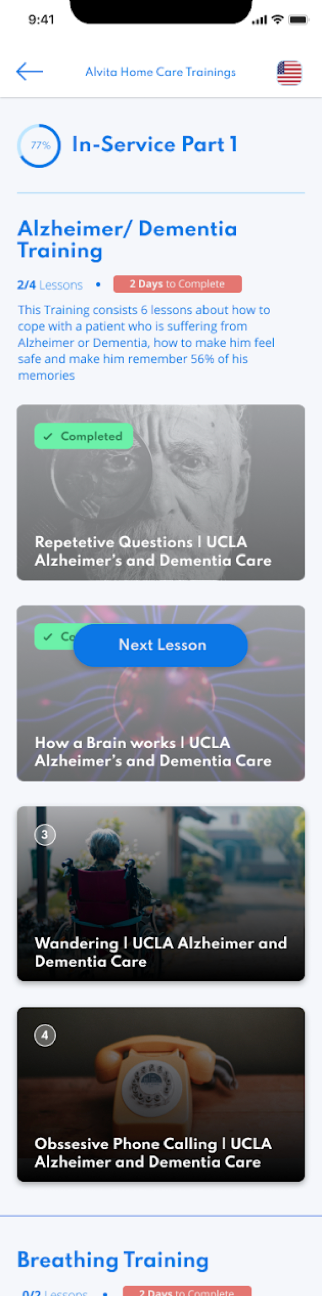
Medflyt training detail — Alzheimer and Dementia lessons with completion states and the next lesson queued

Training had to fit into the workday.

Caregiver education was another part of the experience.

Instead of treating training like a separate administrative task, we designed it as part of the product — accessible from the phone and built around how caregivers actually learn and work.

Training became something caregivers could do, not something agencies had to chase them to finish.

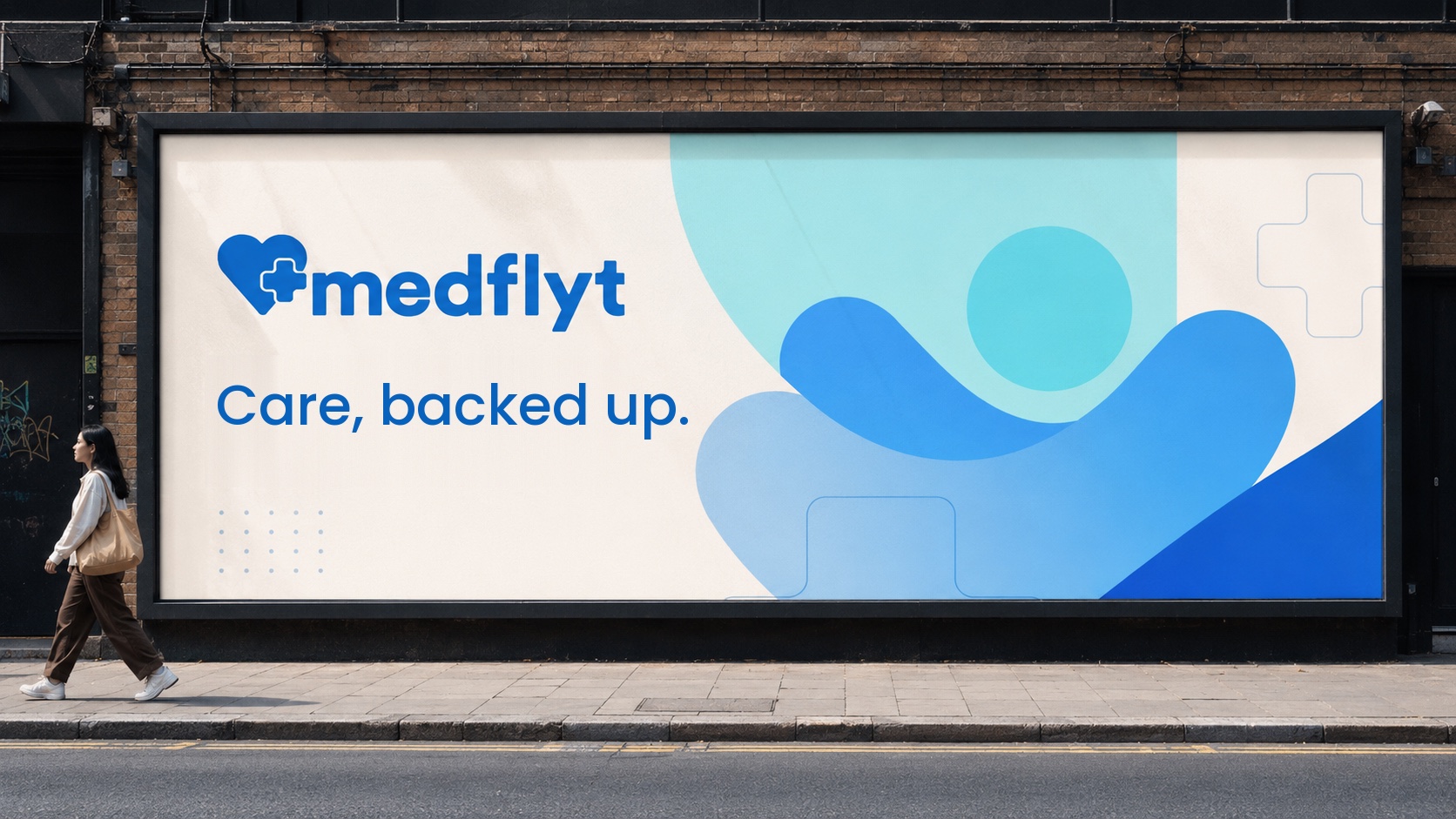
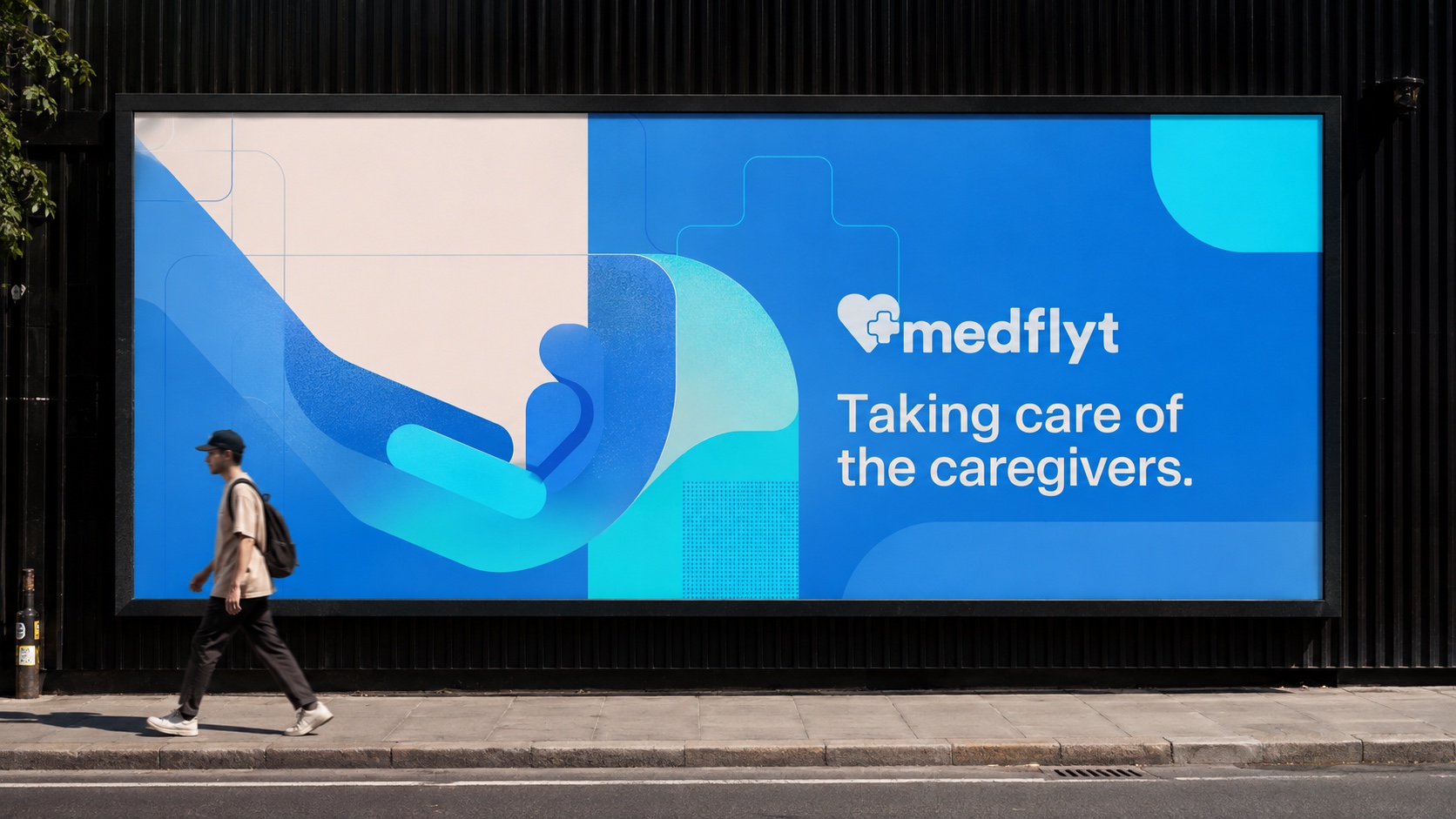
Medflyt street billboard on brick — Care, backed up. — soft blue shapes cradling a circle Medflyt street billboard in deep blue — Taking care of the caregivers. — a hand of brand shapes holding a figure

Product and brand started telling the same story.

The caregiver experience became more than a set of product features.

We created a visual identity and product language that felt approachable, clear and made for caregivers — then connected that experience to what agencies cared about most: recruitment, engagement and retention.

Better technology could make caregiving a better job — and caregiver experience became a business advantage.

Previous
← Moon Post Service
Up next
Pupok →